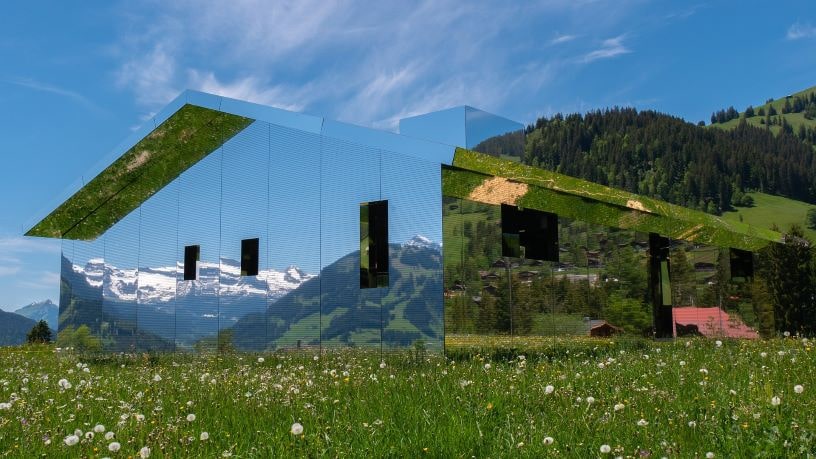
The blurring lines between reality and synthesis
We have all been there. You are scrolling through your social media feed, and you see a breathtaking landscape, a perfectly timed street photograph, or perhaps a slightly unusual portrait of a public figure. For a split second, you admire the composition and the lighting. Then, a small doubt creeps in. You start to look closer at the edges of the frame, the texture of the skin, or the way light reflects off a window. The question immediately pops into your mind: is this photo real or AI? This internal debate has become a daily occurrence for millions of internet users as generative technology continues to advance at a staggering pace.
Only a couple of years ago, spotting an AI-generated image was relatively straightforward. You would look for the infamous ‘sixth finger’ or a hand that seemed to melt into a coffee cup. Backgrounds were often a blurry, nonsensical mess of colours and shapes that didn’t quite follow the laws of physics. However, the latest iterations of diffusion models have become incredibly sophisticated. They can now render realistic skin pores, complex reflections, and even the subtle imperfections that we typically associate with traditional photography. This rapid evolution is why so many of us are constantly questioning the authenticity of the visual content we consume.
The subtle visual glitches that give away AI generation
Even though the technology is improving, AI still makes mistakes. These models do not actually ‘understand’ the world in 3D; they are simply predicting what pixels should look like based on a massive dataset of existing images. Because of this, they often struggle with complex spatial relationships and fine details. When you are trying to determine is this photo real or AI, there are several specific areas you should scrutinise:
- The extremities: Hands and feet remain a significant challenge for many AI models. Look for too many fingers, unnaturally long joints, or nails that seem to merge with the skin.
- Text and signage: AI often struggles to render legible text. If there is a shop sign or a newspaper in the background, check if the letters are actual words or just gibberish that resembles characters.
- Jewellery and accessories: Look closely at earrings, glasses, and watch straps. AI frequently fails to make these items symmetrical or fails to connect them logically to the person wearing them.
- Background consistency: Check the people or objects in the far distance. AI models often lose focus on the logic of the background, resulting in ‘ghost’ limbs or architectural features that lead nowhere.
Another common giveaway is the ‘over-processed’ look. Many AI images have a certain sheen or a hyper-smooth texture that makes them look like they have been heavily airbrushed or rendered for a high-end video game. While some photographers do use heavy post-processing, the specific way AI smooths out skin and hair often feels slightly ‘uncanny’ to the human eye.
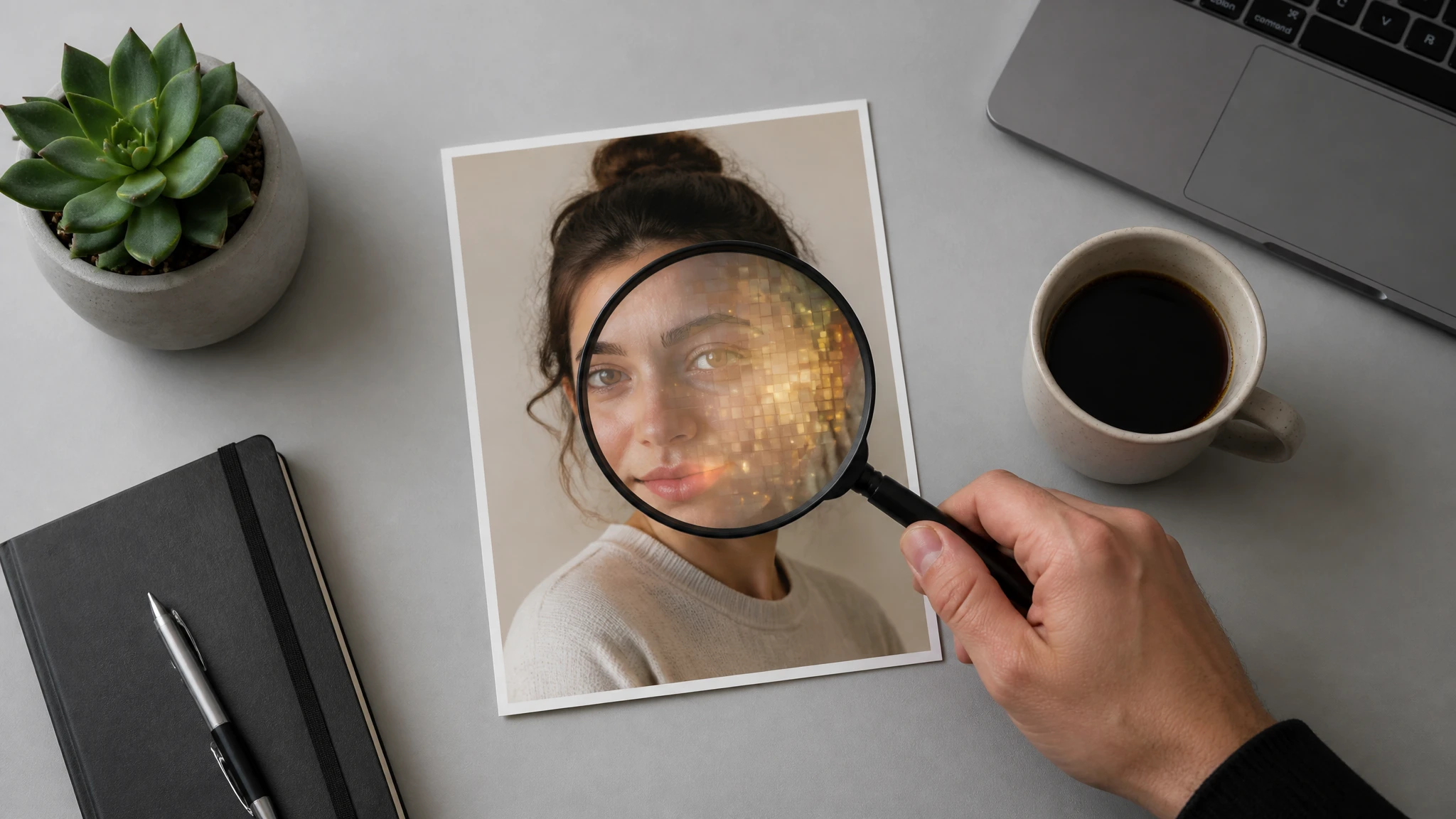
Why our brains struggle to spot synthetic images
Humans are naturally wired to trust their eyes. For most of our history, if we saw something, it was actually there. This biological bias makes us vulnerable to high-quality synthetic media. When we ask ourselves is this photo real or AI, we are fighting against thousands of years of evolutionary programming. The ‘uncanny valley’ effect—that feeling of unease when something looks almost human but not quite—is our brain’s way of alerting us that something is wrong, but as AI moves through and beyond that valley, those alerts are becoming quieter.
Furthermore, the context in which we view images matters. On a small smartphone screen, while quickly flicking through a feed, our brains tend to fill in the gaps. We see the ‘essence’ of the image rather than the technical flaws. It is only when we pause and zoom in that the anomalies become apparent. This is why misinformation can spread so quickly; the initial emotional reaction to a photo often happens before the logical brain has a chance to analyse the pixels for signs of artificial generation.
Technical ways to verify the origin of an image
If your eyes aren’t enough to give you a definitive answer, there are technical steps you can take to investigate further. Verifying digital content is becoming a necessary skill in the modern age. When the question of is this photo real or AI is particularly important—such as with news events or political statements—you should consider the following methods:
- Reverse Image Search: Use tools like Google Lens or TinEye. If the image is real, it might appear in other contexts, news reports, or on a photographer’s official portfolio. If it only appears in one specific social media post, be suspicious.
- Check the Source: Look at the account that posted the image. Is it a verified news outlet, a known artist, or a brand-new account with no history? AI images are frequently circulated by accounts designed to farm engagement.
- Metadata Analysis: While most social media platforms strip out EXIF data (which contains camera settings and dates), if you can find the original file, metadata can provide clues about the camera used or the software that exported the file.
- AI Detection Tools: There are several web-based tools designed to detect the mathematical patterns left behind by AI generators. While not 100% accurate, they can provide a probability score that helps inform your judgement.
It is also worth noting that many AI platforms are beginning to implement digital watermarking or ‘Content Credentials.’ These are invisible markers embedded in the file that identify it as being AI-generated. While these can sometimes be removed by sophisticated users, they are a step toward a more transparent digital landscape where the question of is this photo real or AI can be answered with data rather than just guesswork.
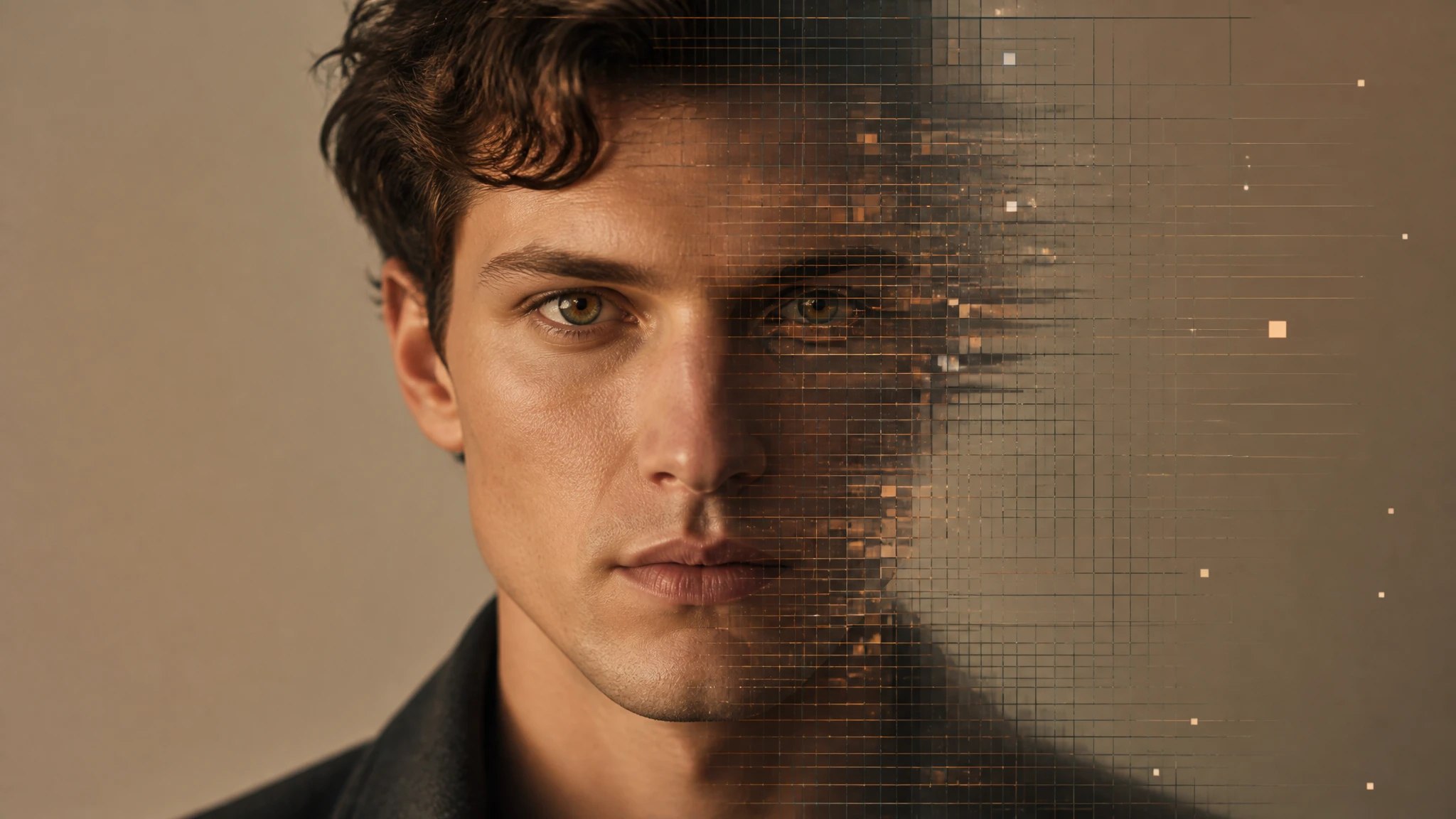
The role of lighting and shadows in detection
Lighting is one of the hardest things for an AI to get perfect. In a real photograph, light follows the strict laws of physics. It bounces off surfaces, creates consistent shadows, and reflects in eyes in a very specific way. When you are analysing a portrait, look at the ‘catchlights’—the tiny reflections of light in the pupils. In a real photo, these should be consistent in both eyes and match the environment. AI often generates mismatched catchlights or reflections that don’t correspond to any visible light source.
Shadows are another area where AI frequently slips up. Shadows should always originate from a clear light source and follow the contours of the ground or objects they fall upon. AI often produces ‘floating’ objects that don’t cast a shadow, or shadows that go in different directions within the same frame. Paying close attention to how light interacts with different textures—such as how it diffuses through a leaf or glints off a metallic surface—can often provide the final piece of evidence needed to decide is this photo real or AI. As we move forward, staying curious and maintaining a healthy level of scepticism will be our best defence against the increasingly convincing world of synthetic media.

Daniel Mercer is a writer with a passion for performance art, focusing on contemporary theatre, experimental performances, and innovative storytelling techniques.
We Thank Our Friends